Critics & Legacy

Who Malthus argued with, and who carried him forward

From the radicals he wrote against in 1798 to Keynes in the 1930s. Few economists have divided opinion so sharply.

The radicals he answered

1790s
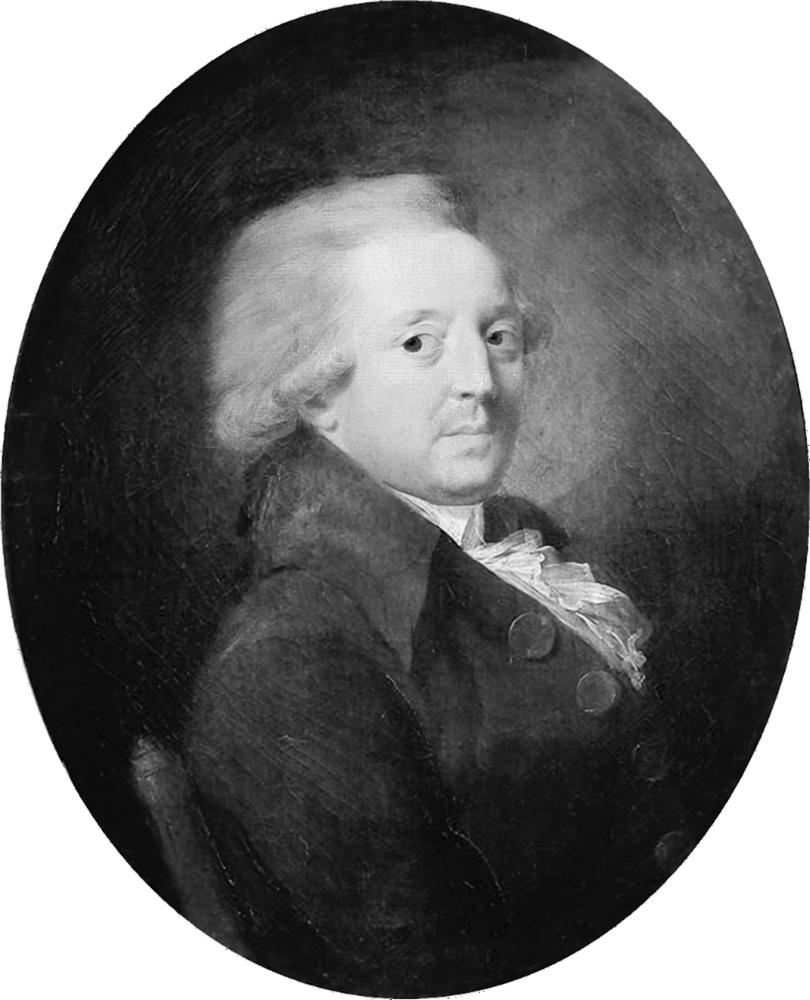
Portrait of the Marquis de Condorcet
Target

Marquis de Condorcet

Philosopher of human progress · 1743–1794

A leader of the early French Revolution, Condorcet was condemned to death after defying the Jacobins. In hiding he wrote that humanity follows a natural order of progress toward moral and intellectual heights, if only there is greater economic equality and security. He proposed a public fund for the aged, widows, and orphans, and credit for ordinary workers so they could become independent of capitalists.

Versus Malthus: Malthus's first Essay answered him directly. More security would only mean more children, and misery would return.
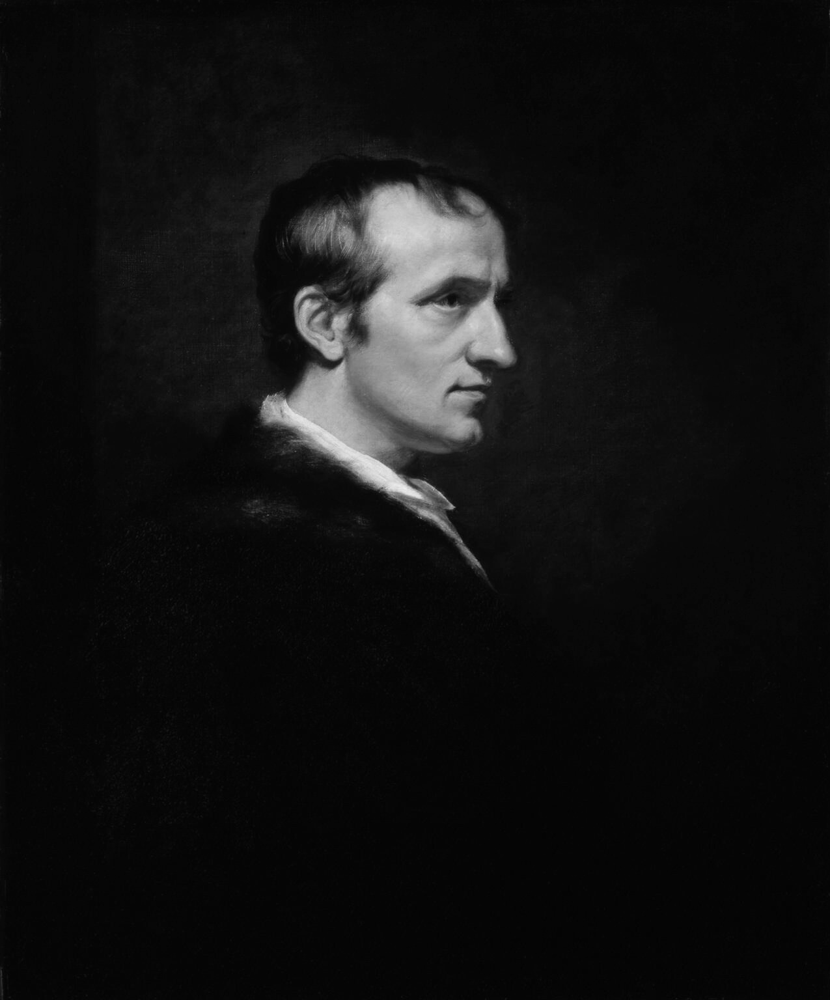
Portrait of William Godwin
Target

William Godwin

Radical philosopher · 1756–1836

Godwin argued that the vices of the poor came from corrupt institutions, above all private property. Property should belong to whoever needs it most, and the law was "grossly the favorer of the rich against the poor." Human reason, he believed, would lead to the abolition of government, property, and social classes.

"To whom does any article of property, suppose a loaf of bread, justly belong? To him who most wants it…"

Versus Malthus: Even Godwin's perfect society, Malthus replied, would "in a very short period degenerate" into "a class of proprietors, and a class of labourers."

Friends, rivals, and critics

19th century
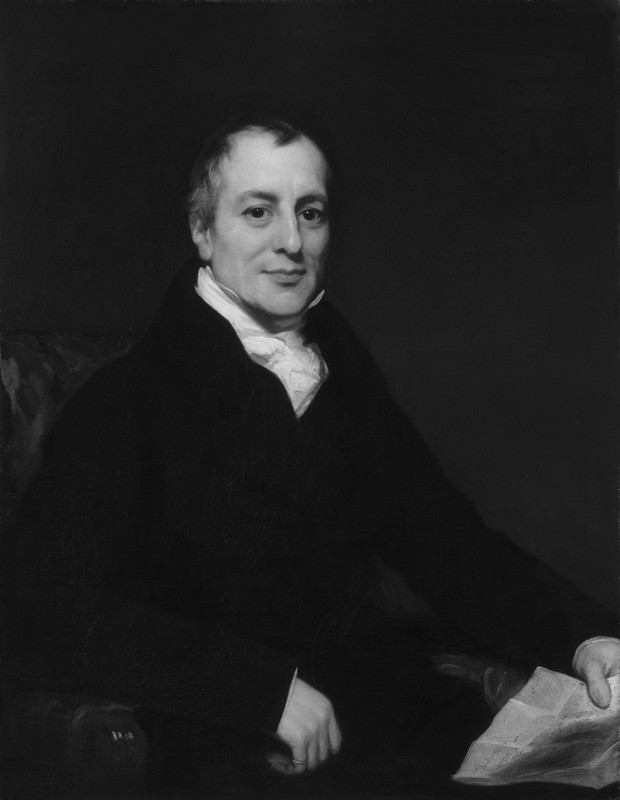
Portrait of David Ricardo
Friend & rival

David Ricardo

Spokesman for the capitalists · 1772–1823

Ricardo developed the theory of rent at the same time as Malthus, but he took the capitalists' side against the Corn Laws. He flatly rejected the theory of gluts. Paying unproductive consumers, he said, helps a manufacturer about as much as a fire in his warehouse.

"What would be more wise if Mr. Malthus' doctrine be true than to increase the army and double the salaries of all the officers of the government?"

Hunt's verdict: both were partly right. Each capitalist wants low costs, yet all capitalists together need the demand that high wages and rents create.

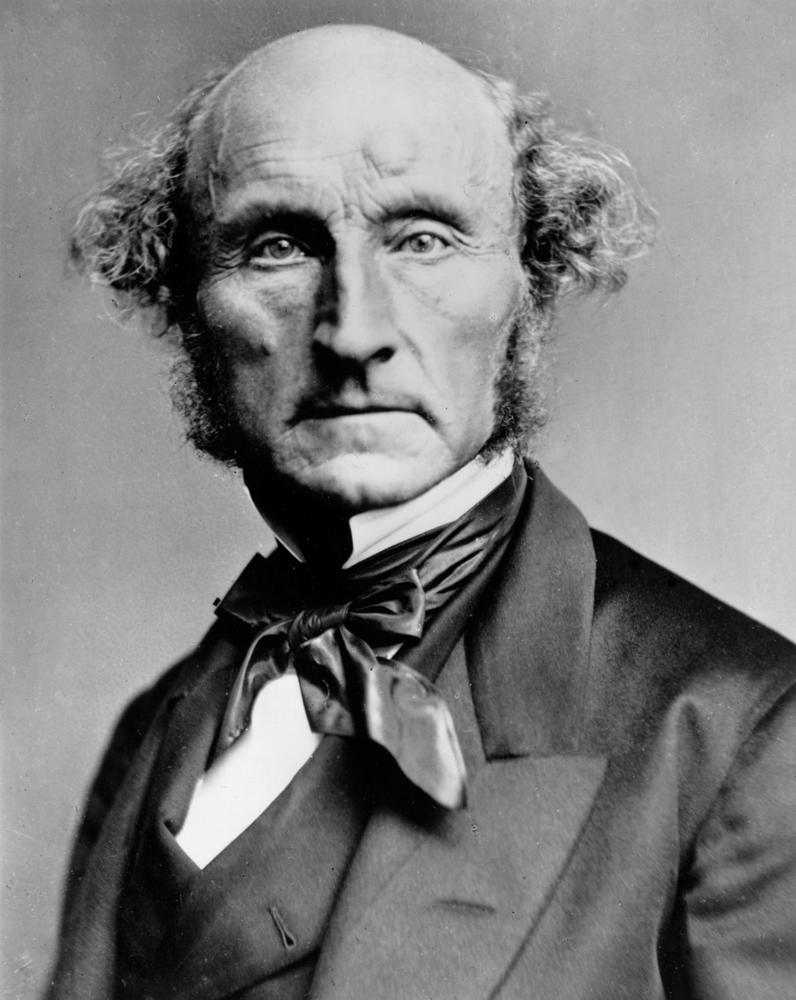
Photograph of John Stuart Mill
Critic

John Stuart Mill

Classical economist and reformer · 1806–1873

Mill defended Say's law, the idea that supply creates its own demand, against Malthus's gluts. He said the doctrine "appears to me to involve so much inconsistency in its very conception" that he could hardly state it. Unlike Malthus, though, Mill sympathized with the workers.

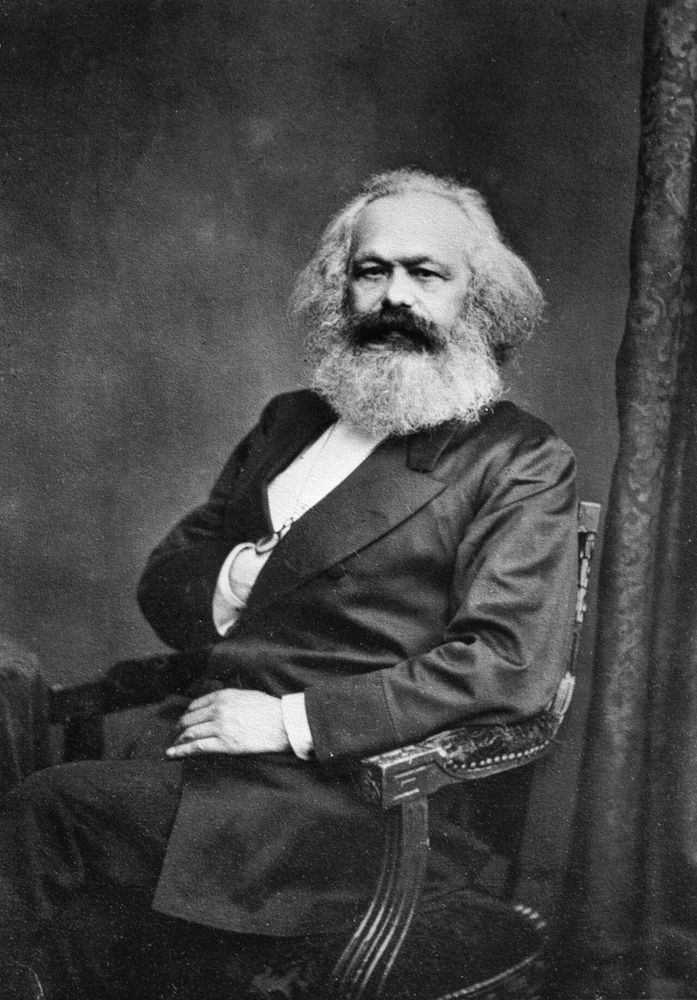
Photograph of Karl Marx
Fierce critic

Karl Marx

Critic of political economy · 1818–1883

Marx was "nearly entirely critical and contemptuous of Malthus." He rejected the story that capital came from the thrift and self-restraint of a moral elite, the story Malthus told. For Marx, poverty was produced by capitalism itself, not by the laws of nature or the failings of the poor.

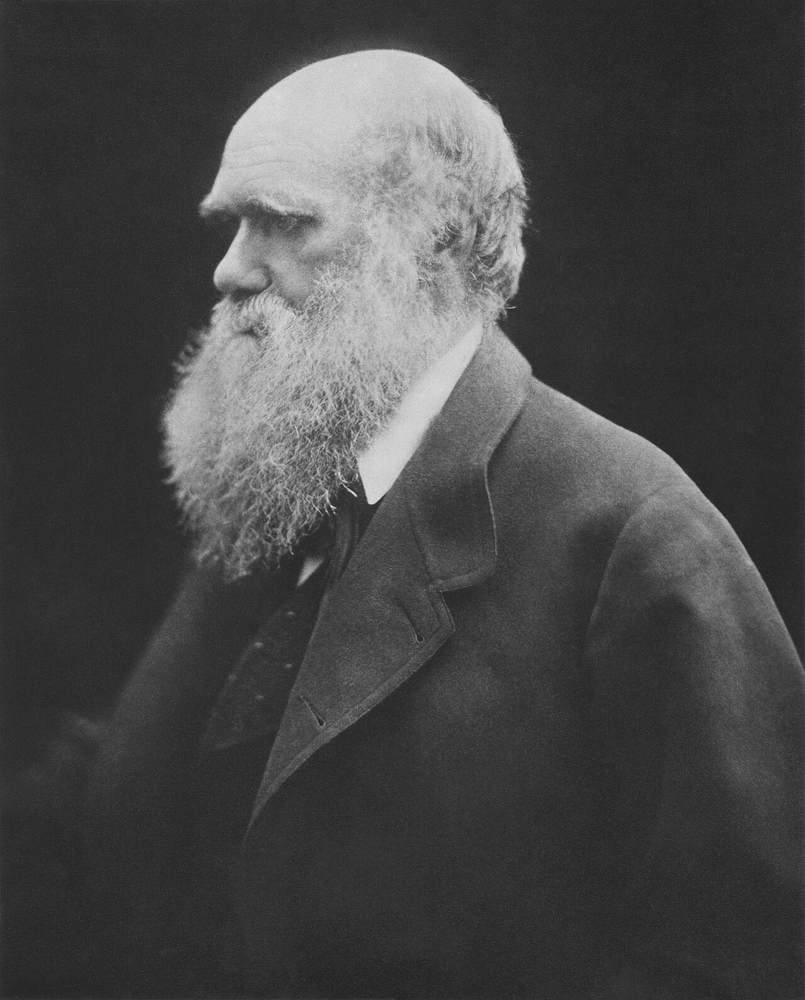
Photograph of Charles Darwin
Inspired

Charles Darwin

Naturalist · 1809–1882

Malthus's population theory "inspired Charles Darwin to formulate his theory of evolution." Reading the Essay in 1838, Darwin saw that if every species produces more offspring than can survive, a struggle for existence follows, and nature selects.

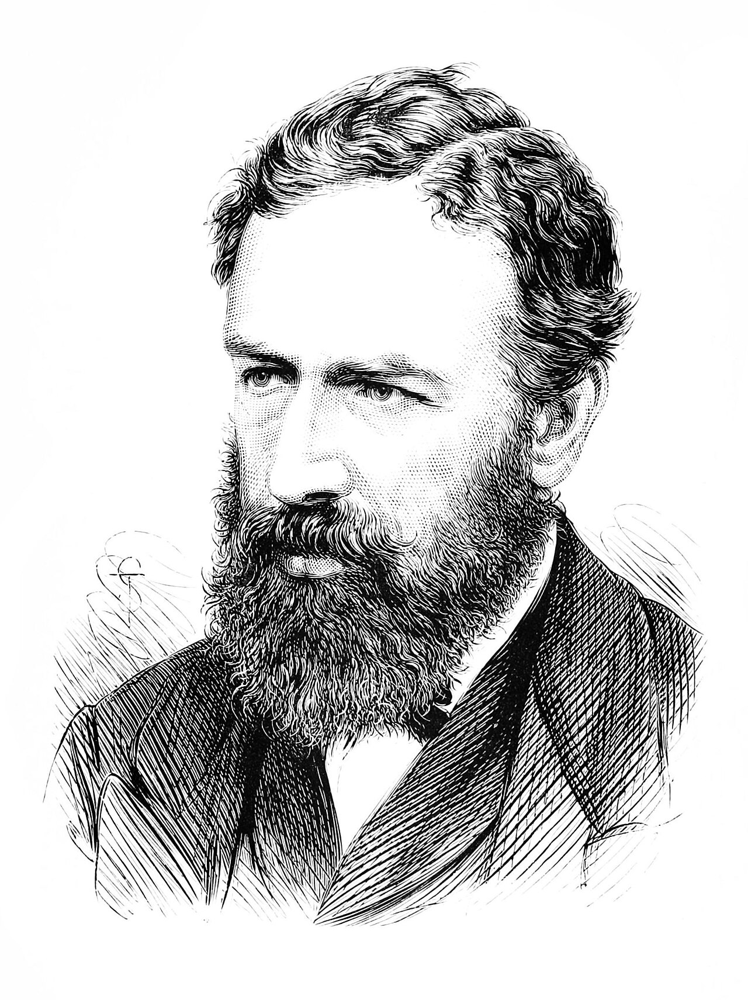
Portrait of William Stanley Jevons
Admirer

William Stanley Jevons

Pioneer of marginal utility · 1835–1882

Jevons praised Malthus as "one of the most humane and excellent of men." Hunt argues that the marginalist revolution let the exchange-based doctrines of Malthus, Say, and Senior be stated "with mathematical elegance and greater logical consistency."

The revival

20th century
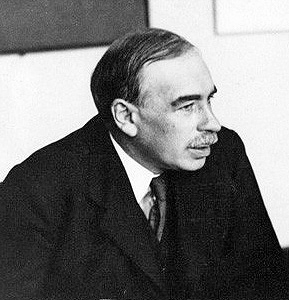
Photograph of John Maynard Keynes
Champion

John Maynard Keynes

Theorist of the Great Depression · 1883–1946

Hunt calls Keynes "the most famous twentieth-century elaborator of Malthus's doctrine." In the General Theory (1936), insufficient effective demand, Malthus's old idea, became the key to depressions. Hunt notes that Keynes found Malthus "a much safer economist than Marx," because Malthus explained depressions while defending the class system.

"If only Malthus, instead of Ricardo, had been the parent stem from which nineteenth-century economics proceeded, what a much wiser and richer place the world would be today!"

Hunt & Lautzenheiser's verdict

The textbook is openly critical. Malthus was "an outspoken champion of the wealthy." The normative message of his population theory remains "to convince us that poverty is inevitable, that little or nothing can be done about it, and that poverty is, generally speaking, due to the weakness or moral inferiority of the poor."

Yet the authors credit his theory of gluts as his "most important and lasting contribution." They also point out a contradiction: if population adjusts to the rate of capital accumulation, a sudden shortage of workers should not cause gluts. "The difficulty," they conclude, "lies not in Malthus's theory of gluts but in his theory of population."